Plan a useful session
Set a simple objective, organise time and space, choose appropriate activities and prepare the equipment and transitions.

A practical entry route into grassroots coaching for adults or young adults who want to become useful, confident coaches in local clubs. The programme combines basic football knowledge with leadership, session delivery and real practice.
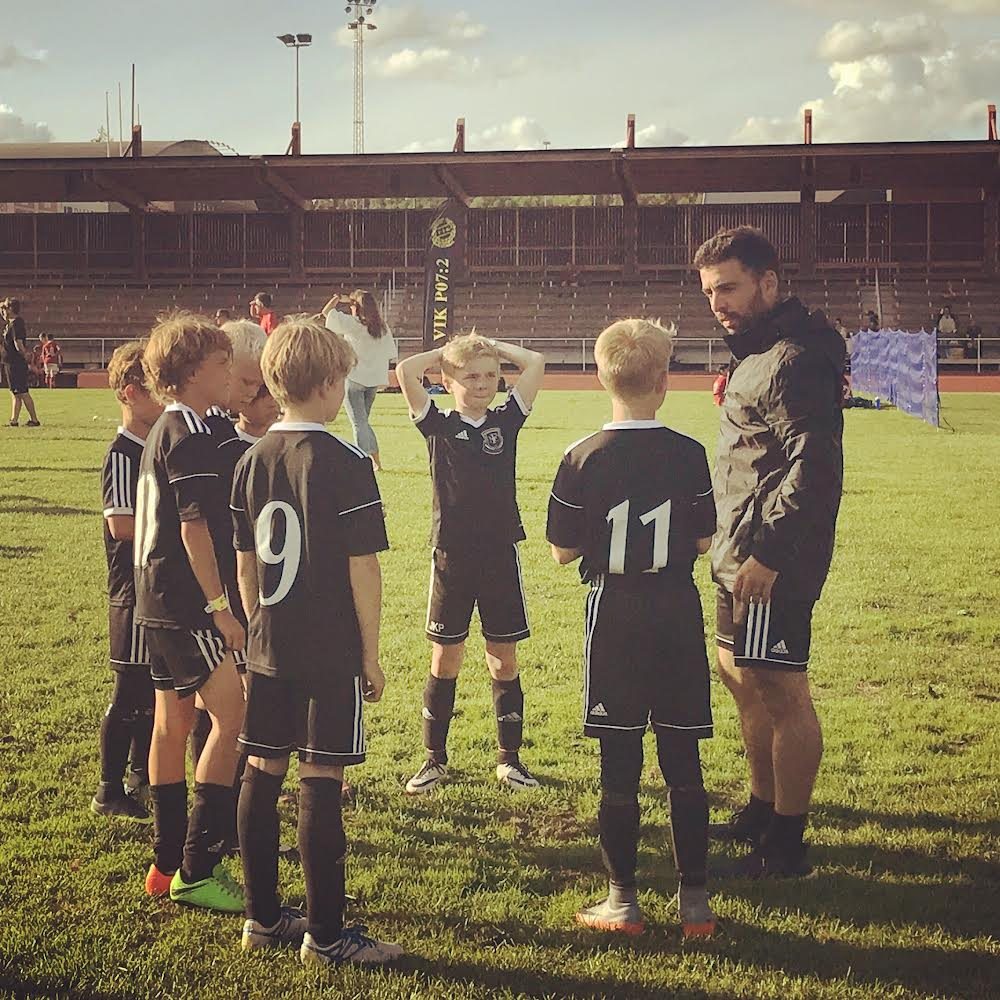
The programme is designed for new or aspiring coaches, including participants who may not see themselves as “football experts” yet. It focuses on the behaviours a grassroots coach actually needs: planning, communication, creating a safe environment, understanding simple game principles and leading a group with confidence.
Set a simple objective, organise time and space, choose appropriate activities and prepare the equipment and transitions.
Create clear expectations, communicate with different participants and understand basic safeguarding and inclusion responsibilities.
Use simple football principles, questions and representative activities instead of relying only on lines and isolated drills.
Finish with observed practice and a defined next step into volunteering, assistant coaching or further formal coach education.
The sequence below defines the core learning journey. Session examples, exercises and language are adapted to the cohort after commissioning.
The role of the coach
What participants need from a coach: safety, clarity, energy, structure, inclusion and appropriate expectations.
How people learn
Basic pedagogy for football: clear instructions, demonstrations, questions, feedback and keeping participants active.
Session design
Build a coherent session from objective to warm-up, game activity, progression and reflection.
Football principles & decisions
Introduce simple attacking and defending principles and connect them to perception and decision-making.
Leadership, inclusion & safeguarding
Create safe environments, handle different needs, manage behaviour and understand the coach’s responsibility.
Observed delivery
Participants plan and lead practical activities, receive feedback and repeat parts of the session with improvements.
Club practice
Where possible, participants complete practical experience in a local club or community football environment.
Next step
Map the path into a club role, volunteering, assistant coaching or the relevant national federation education pathway.
The programme can be commissioned by a municipality, delivered with one or several local clubs, or used by a club that wants to grow its volunteer coaching base.